By Happily Ever After Hours
Long before theme parks, cruise lines, and streaming empires, Disney was just a dream — one that started with a pencil, a mouse, and an imagination too big to stay on the page.
Whether you’re a seasoned annual passholder or someone who just tears up at fireworks, the history of The Walt Disney Company is filled with moments of innovation, heartbreak, and yes — magic.
Let’s take a walk down Main Street through the story of how Disney became Disney.
🎬 The Humble Beginnings: Kansas City to Hollywood
Before there was a mouse, there was a man — Walt Disney.
In the early 1920s, Walt started Laugh-O-Gram Studios in Kansas City, producing modern retellings of fairy tales. The studio went bankrupt in 1923, but the spark didn’t fade. Instead, Walt moved west to California and, with his brother Roy, founded the Disney Brothers Cartoon Studio.
This was the start of something much bigger.
After a few modest successes, Walt struck gold in 1928 with the debut of a mischievous little character named Mickey Mouse in Steamboat Willie. It wasn’t just Mickey that won audiences over — it was the groundbreaking use of synchronized sound in animation. Audiences had never seen (or heard) anything like it.
The studio was officially renamed Walt Disney Productions, and the company’s ascent had begun.
🎨 Animation’s First Golden Age
In 1937, Walt did the unthinkable — he created the first full-length animated feature film, Snow White and the Seven Dwarfs.
At the time, people called it “Disney’s Folly.” No one thought audiences would sit through a cartoon that long. Walt didn’t listen. And when Snow White premiered, it wasn’t just a hit — it was a phenomenon. The film earned over $8 million during the Great Depression and proved animation could be art, storytelling, and spectacle all at once.
This kicked off a flurry of classics that defined Disney’s Golden Age, including:
- Pinocchio (1940)
- Fantasia (1940)
- Dumbo (1941)
- Bambi (1942)
Each one pushed the boundaries of animation, storytelling, and music — and helped establish Disney’s growing empire.
⚠️ War, Strikes, and a Studio in Crisis
But the road wasn’t all fairy dust.
In 1941, Disney animators staged a historic strike, demanding better wages and recognition. Tensions boiled over, and for the first time, cracks appeared in the magic. Walt felt betrayed, and the studio never fully recovered its tight-knit culture. Around the same time, World War II paused creative projects and shifted the studio to government-sponsored propaganda films and military training shorts.
The postwar years were rocky. Disney’s feature films struggled, and by the early 1950s, the future looked uncertain.
So Walt did what he always did best: dream bigger.
🏰 The Birth of Disneyland
While others worried about the studio’s future, Walt was busy designing a theme park — one that would be “clean, safe, and welcoming for families.” In a time when carnivals were dirty and chaotic, Disneyland promised something entirely new: a living storybook.
Using profits from Snow White, Walt secretly funneled funds into what would become Disneyland, which opened in Anaheim, California, on July 17, 1955.
Opening day was a mess — overcrowded, hot, and plagued with plumbing issues — but that didn’t matter. Audiences were in. Disneyland became a cultural phenomenon, and Walt’s vision of immersive storytelling in real space was born.
From there, Disney’s storytelling expanded from screens to streets, castles, jungles, and galaxies far, far away.
🧙♂️ The Silver Age and the Studio’s Second Wind
The 1950s and ’60s saw a mix of animated classics and live-action hits:
- Cinderella (1950)
- Peter Pan (1953)
- Sleeping Beauty (1959)
- Mary Poppins (1964)
Technological advances like xerography (used in 101 Dalmatians) allowed Disney to animate faster and cheaper, while live-action films brought even more audiences to the brand.
Walt, ever the innovator, even set his sights on building a futuristic community — the Experimental Prototype Community of Tomorrow (EPCOT). Sadly, Walt passed away in 1966 before he could see it realized.
But the dream lived on.
🌎 Disney World and the Rise of a Global Empire
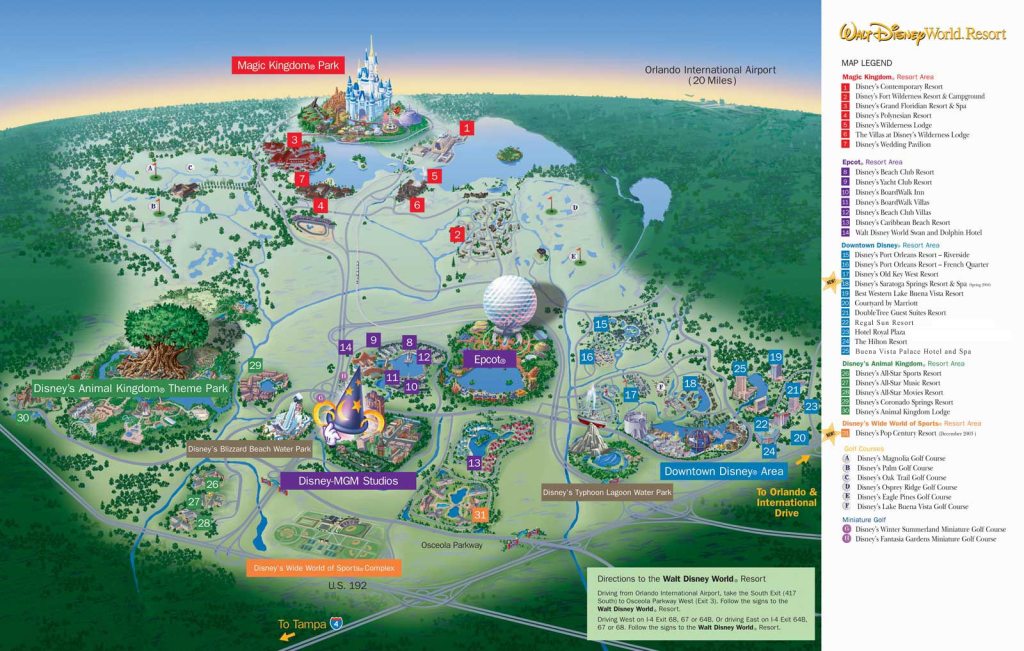
In 1971, Walt Disney World opened in Orlando, Florida. With four times the land of Disneyland and room to grow, the Florida Project quickly expanded into the vacation kingdom Walt had imagined. Magic Kingdom was followed by EPCOT (1982), Disney’s Hollywood Studios (1989), and Animal Kingdom (1998).
Meanwhile, Disney expanded internationally, opening:
- Tokyo Disneyland (1983)
- Disneyland Paris (1992)
- Hong Kong Disneyland (2005)
- Shanghai Disneyland (2016)
Each park brought Disney magic to a new culture while incorporating local flair, making Disney a true global brand.
🦁 The Disney Renaissance
After a lull in the ’70s and ’80s, the late ’80s sparked a creative resurgence known as the Disney Renaissance. Fueled by Broadway-style storytelling and unforgettable music, films like:
- The Little Mermaid (1989)
- Beauty and the Beast (1991)
- Aladdin (1992)
- The Lion King (1994)
restored Disney’s dominance in animation and reinvigorated the brand. Beauty and the Beast even became the first animated film nominated for a Best Picture Oscar.
Merchandise boomed. Theme park attendance soared. The magic was back — stronger than ever.
💼 Acquisitions, Innovation, and the Streaming Era
The 2000s brought major changes. Under Bob Iger, Disney acquired:
- Pixar (2006)
- Marvel (2009)
- Lucasfilm (2012)
- 20th Century Fox (2019)
These weren’t just business deals — they were cultural power plays. Suddenly, Disney owned the most beloved IP in the world, from Jedi to Avengers.
And in 2019, Disney launched Disney+, bringing their vault (and new originals) into millions of homes overnight. Within three years, it rivaled Netflix in global subscribers.
Even the pandemic couldn’t slow them down. If anything, it sped up innovation across parks, tech, and entertainment delivery.
🏙️ The Disney Design Philosophy
Disney isn’t just about stories — it’s about how you experience them. Walt’s obsession with clean lines, immersive detail, and curated space shaped not just theme parks but also modern entertainment architecture. Exhibits around the world now study Disney’s influence on urban design, architecture, and public experience.
From the moment you walk down Main Street USA, you’re not just in a park — you’re in a story. And every trash can, popcorn cart, and background loop is there for a reason.
🔮 What’s Next for the Mouse?
As Disney approaches its 102nd anniversary in 2025, it’s still evolving. With new lands, AI-driven ride systems, more streaming, and rumored fifth-gate expansions in Florida, the company’s next century looks just as ambitious as its first.
The story of Disney is far from over. And somehow, it always feels like we’re just getting started.
💫 Final Thoughts
From a busted studio in Kansas City to the most recognizable brand in the world, Disney’s journey is as magical as the stories it tells. It’s built on risk, resilience, reinvention — and a belief that imagination matters.
Whether you’re holding a churro on Main Street, watching fireworks from EPCOT, or humming along to a Pixar movie in your living room — you’re part of that story now.
Here’s to the magic.
 Happily Ever After Hours
Leave a comment